


In September, the Troia peninsula once again hosted REPMUS, dedicated to experimentation with unmanned systems. S4METRO took part in REPMUS 2026 with demonstrations of 3D scanning, dimensional inspection and reverse engineering in an operational context, showing how these technologies can support equipment maintenance and availability.
About REPMUS
REPMUS (Robotic Experimentation and Prototyping with Maritime Unmanned Systems) is organised by the Portuguese Navy and is dedicated to the operational experimentation of unmanned systems: aerial, surface and underwater. The 2026 edition took place between Troia, Sesimbra and the Infante D. Henrique Technological Free Zone.
More than a demonstration, it is a true laboratory at sea.
The role of 3D scanning at REPMUS
In an exercise with hundreds of systems in the field, every inactive piece of equipment is a lost testing opportunity. When a part breaks, wears or deforms, waiting for a spare can take days or weeks, especially with prototype equipment or when technical drawings are unavailable.
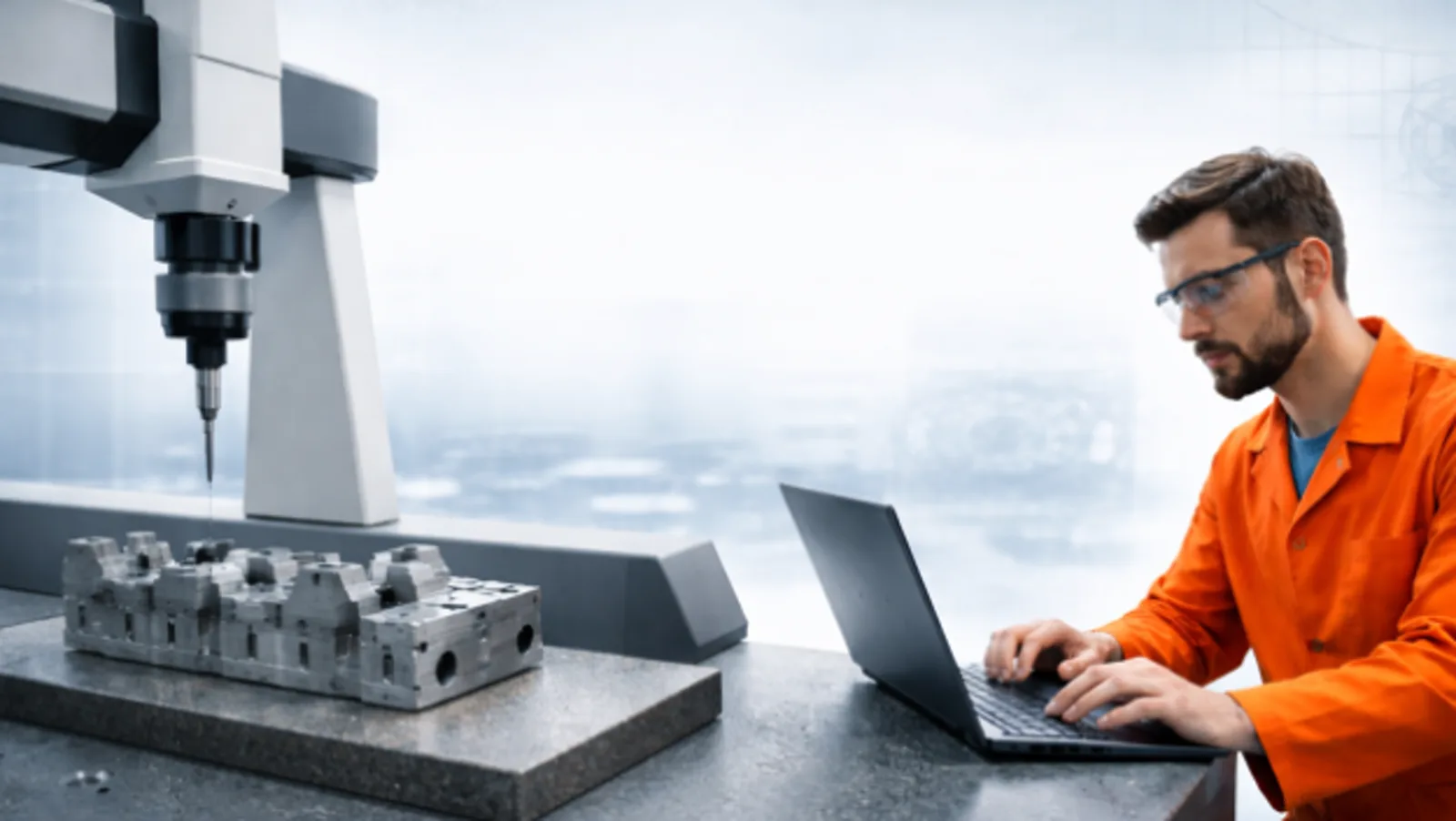
In this context, S4METRO demonstrated how portable 3D scanning equipment can be taken wherever the problem is:
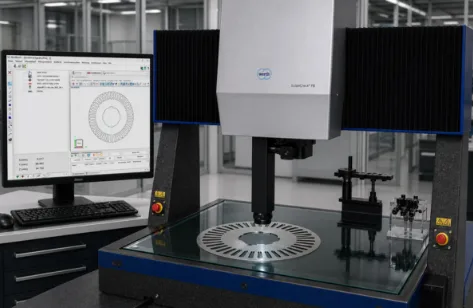
- Dimensional inspection: we scan the part and compare it with the original model or the specified tolerances. Within minutes, we can determine whether it meets specification, where the deformation is and how large it is.
- Reverse engineering: when no 3D model or drawing exists, we capture the geometry of the physical part and turn it into a digital model ready for manufacturing a replacement.
This approach supports faster, better-informed decisions (repair, adjust or remake) and can help reduce equipment downtime.
Demonstration in an operational context
One of the most memorable moments was the opportunity to demonstrate portable 3D scanning in an operational context, right next to the equipment itself, instead of moving it elsewhere.
This is the value of portable 3D scanning in an operational context: measuring and analysing where the equipment is, reducing transport and waiting times.
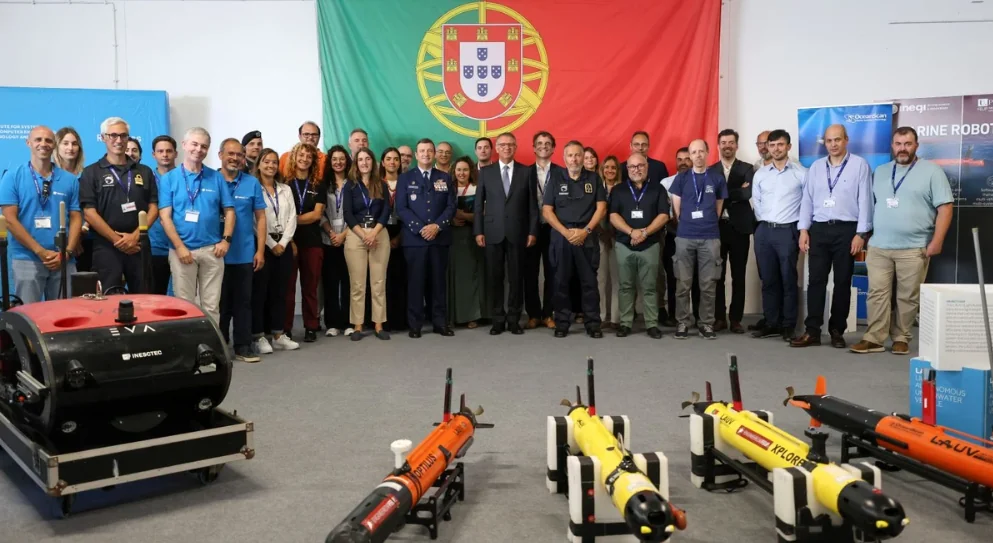
Organisations present
Other organisations present in Troia included:
- Portuguese Navy Operational Experimentation Cell for Unmanned Vehicles (CEOV)
- Arsenal do Alfeite, S.A.
- Instituto Superior Técnico
- Almadesign
- IdMind
- Beyond Vision
- Connect Robotics
- Flying Sharks
- Instituto de Soldadura e Qualidade (ISQ)
- OCEANSCAN-MST
- PDMFC
- SENTINEL
- TEKEVER
- UBIWHERE
- X-Spectrum
- 3D Ever
- INEGI
- PSP Centre for Explosive Ordnance Disposal and Underground Security (PSP-UEP-CIEXSS)
This connection between the Navy, academia and Portuguese industry shows the value of knowledge developed in Portugal, with real-world application.
What this means for industry
What we demonstrated at REPMUS is not exclusive to the defence sector. The same approach applies to any company that depends on equipment to produce:
- Old parts or parts without technical drawings that need replacing
- Critical components that must be checked before returning to service
- Production line stoppages where every hour counts
With 3D scanning and dimensional inspection and reverse engineering, we help reduce downtime and support decisions based on data rather than assumptions.
Thank you to the Portuguese Navy for organising REPMUS. We look forward to returning in 2027.
Do you have inactive equipment or a part without a drawing? Talk to us and together we will find the fastest solution.